In the space between
Kennedy Soong Bouchard, Izabel Della Siepe, Mursal Mohammadi, Ethan Pogue, Mary Margaret Powrie, Amelia Sopta, Jonathan Andrew B. Taala, Toni Thomson, Jessica Wu
Curated by Liana Mortin
Exhibition: June 5 - June 30
Opening Reception: June 5th 6-9pm
In the Space Between is a group exhibition featuring work by Master of Fine Arts candidates in Documentary Media at Toronto Metropolitan University. Their practices exemplify how documentary media can facilitate meaningful encounters, creating spaces where artist and viewer can meet. It calls for curiosity and a willingness to examine reality, while recognizing that reality can never be exhausted by what is represented. Rather than presenting fixed truths, documentary opens a space for uncertainty, where understanding remains fragmented and in flux. The documentarian invites us into their worldview, asking us to dwell within their questions. In turn, we, as viewers, bring our own perspectives, becoming entangled in an ongoing process of interpretation.
Across this exhibition, artists turn toward the people, places, and histories closest to them. In doing so, they engage questions without easy answers, oscillating between knowing and not knowing. Many works embrace the complications, contradictions and messiness of lived experience. They do not attempt to resolve gaps in memory, but linger within them, imagining new ways of seeing what has always been near.
Here, documentary emerges as a relational practice, one that is grounded in care, trust, and emotional engagement. The artists explore how personal and collective histories are remembered and sustained through relationships; to family, culture, community, and the ecosystems they inhabit.
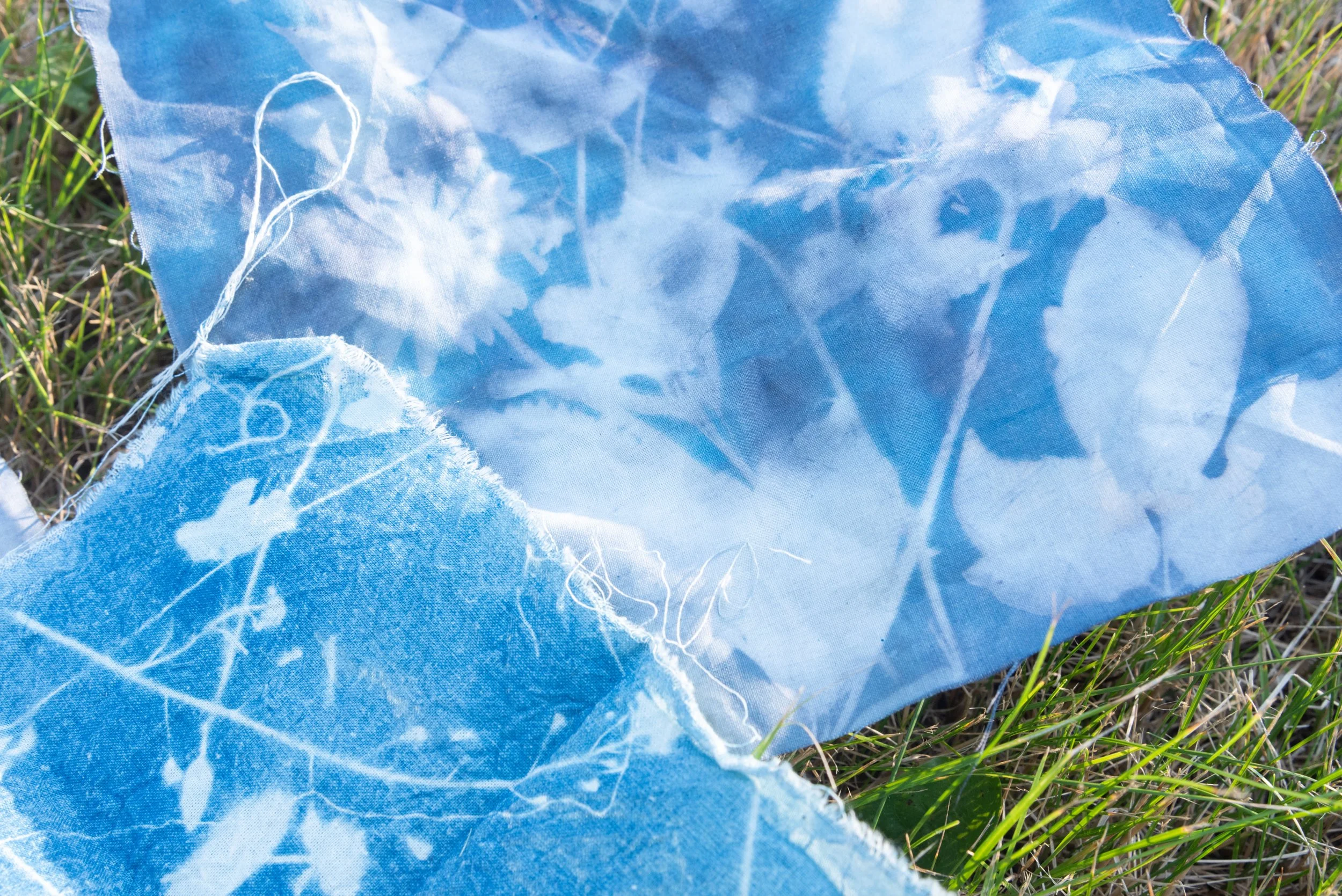
Blueprints, Kennedy Soong Bouchard
Centering voices often excluded from telling their stories on their own terms, Kennedy Soong Bouchard’s project emphasizes the importance of community. Blueprints comprises twelve full-body cyanotype prints created through workshops with women living with life-altering illnesses. These sessions fostered a safe space for participants to express the stories of their bodies in ways that resist dominant medical narratives, which often frame illness as linear. Within the prints, the women make visible the unseen dimensions of their experience, reclaiming and reframing personal histories.
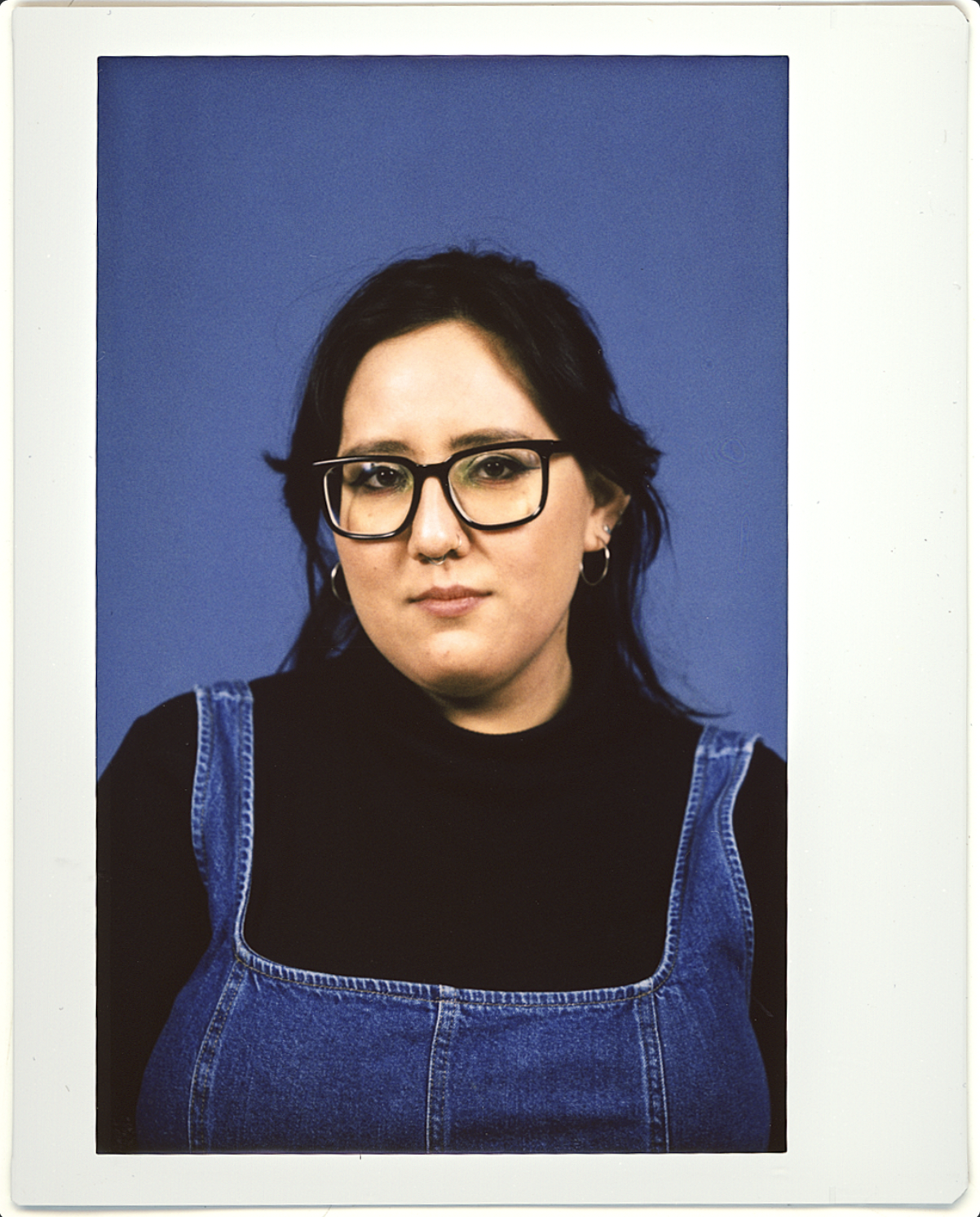
Kennedy Soong Bouchard is a photographer whose work centres on themes of healing, women’s illness, and the body. Having personally experienced cancer and living with chronic illness, she aims to create art that fosters a sense of community and well-being.
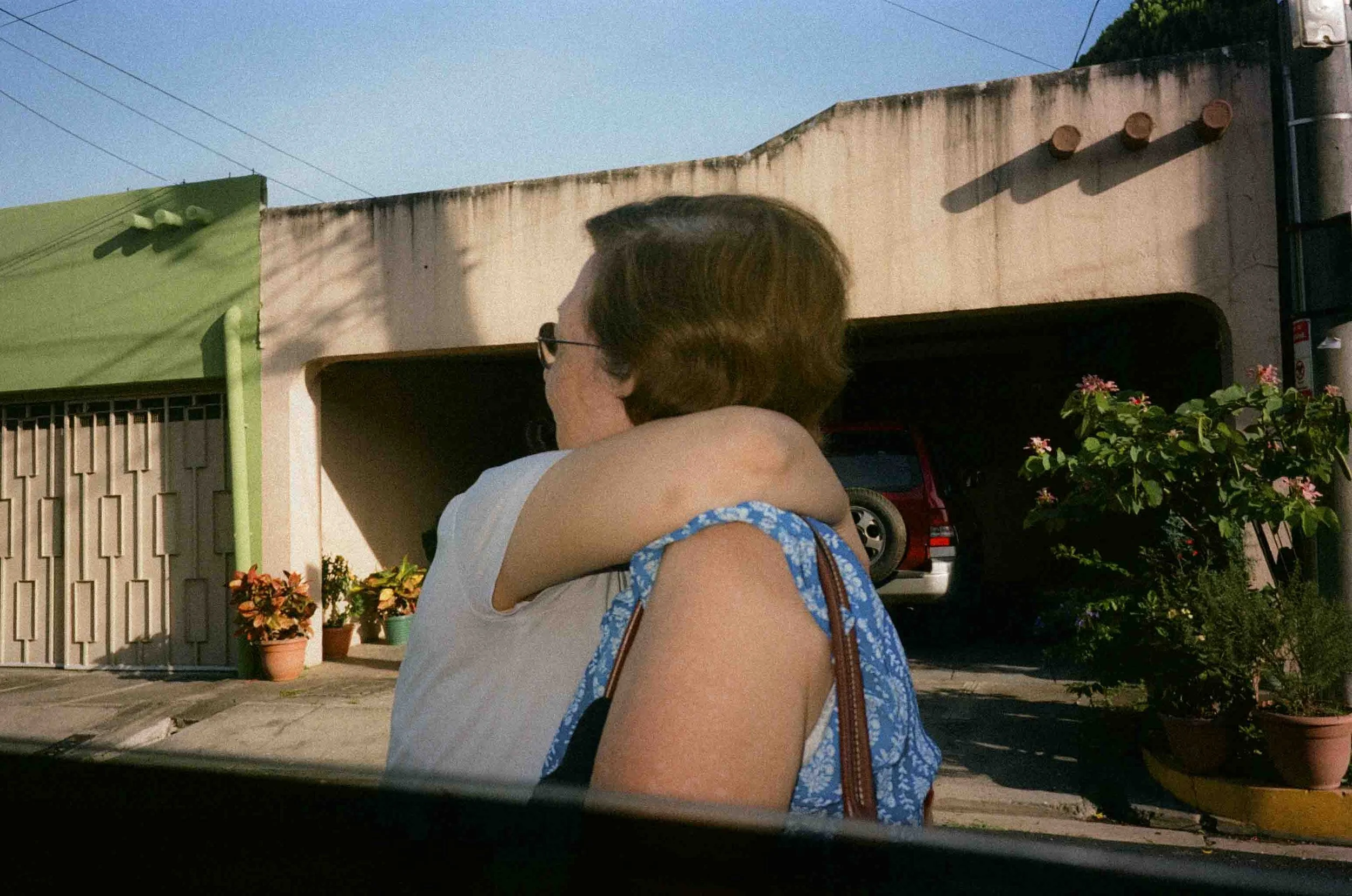
SALVADORA, Izabel Della Siepe
In SALVADORA, Izabel Della Siepe revisits her mother’s birthplace of San Salvador, El Salvador. As she inhabits the spaces that once shaped her mother’s world as a teenage girl during the civil war, Della Siepe confronts the understandings, and misunderstandings, she grew up with, both of her mother and of the country. Attuned to what has been spoken, as well as what remains unsaid, her photographic series captures the quiet intimacies of intergenerational memory, and the subtle, long-lasting afterlife of displacement.
Izabel Della Siepe is a Canadian, Italian and Salvadoran artist whose work tends towards themes of family, what constitutes home, and the very nature of what bridges people together. She explores these concepts through long-form relational projects that intersect diaristic and documentary practice.
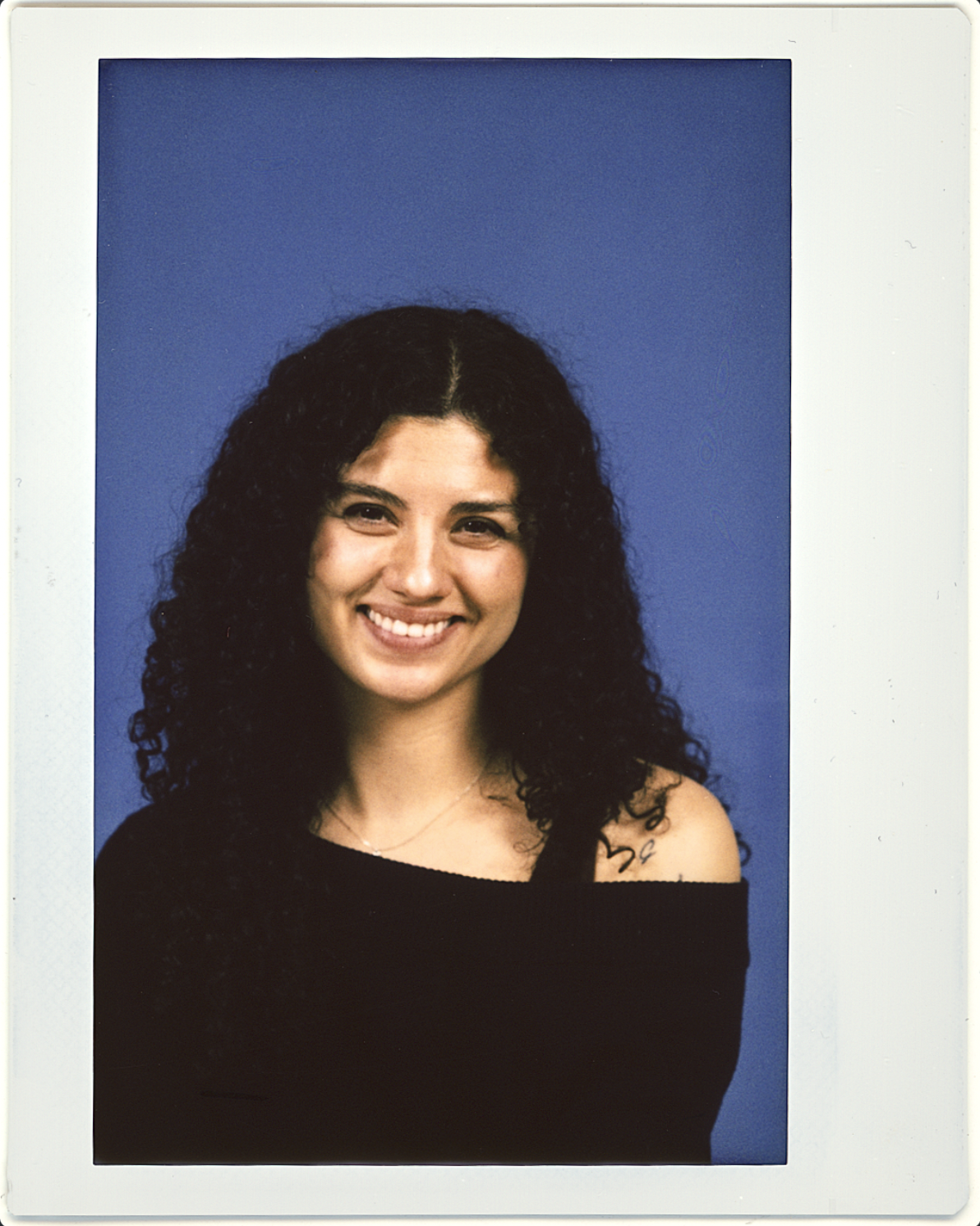
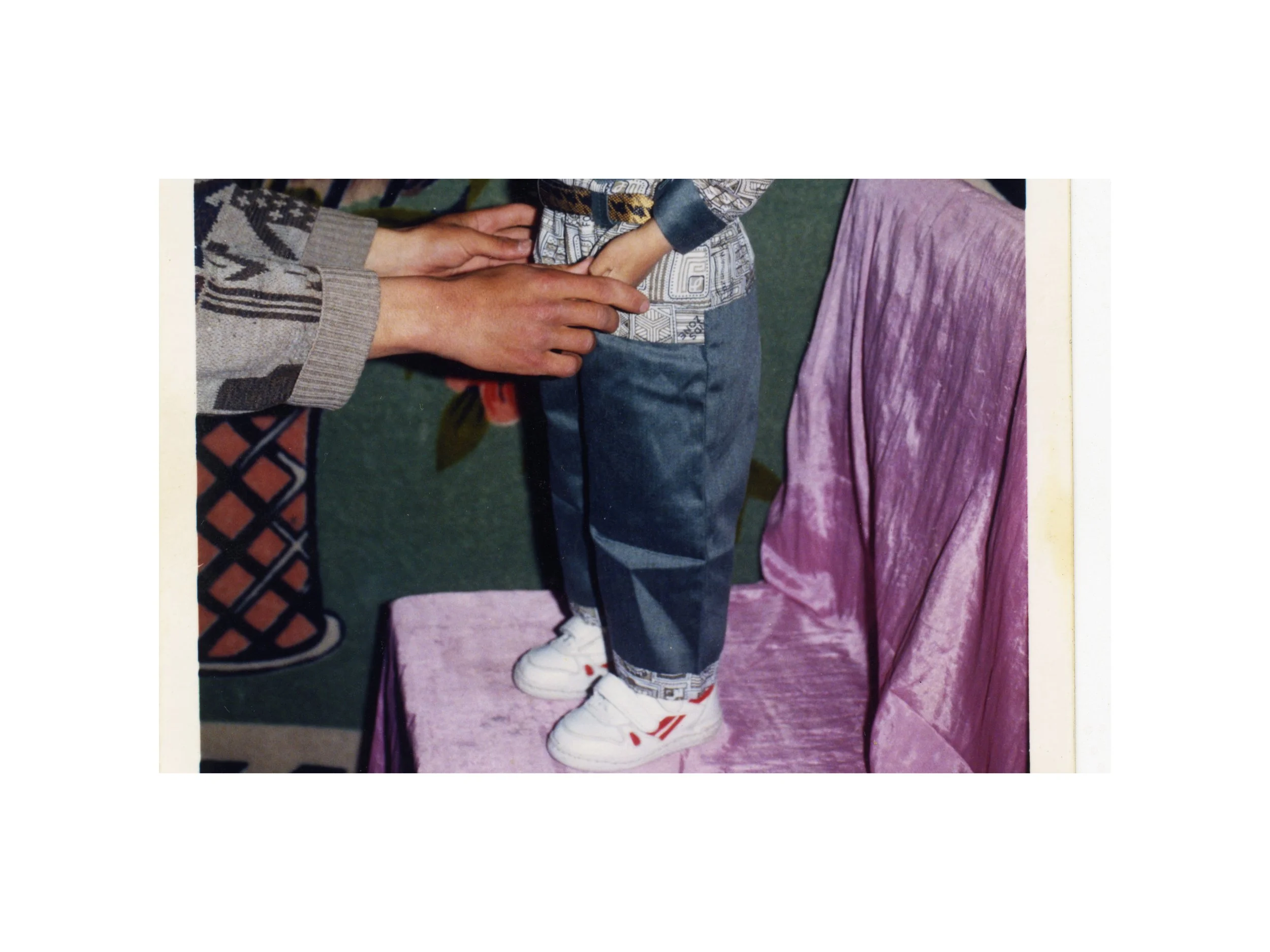
BAQĀ/بقا (The Unforgotten), Mursal Mohammadi
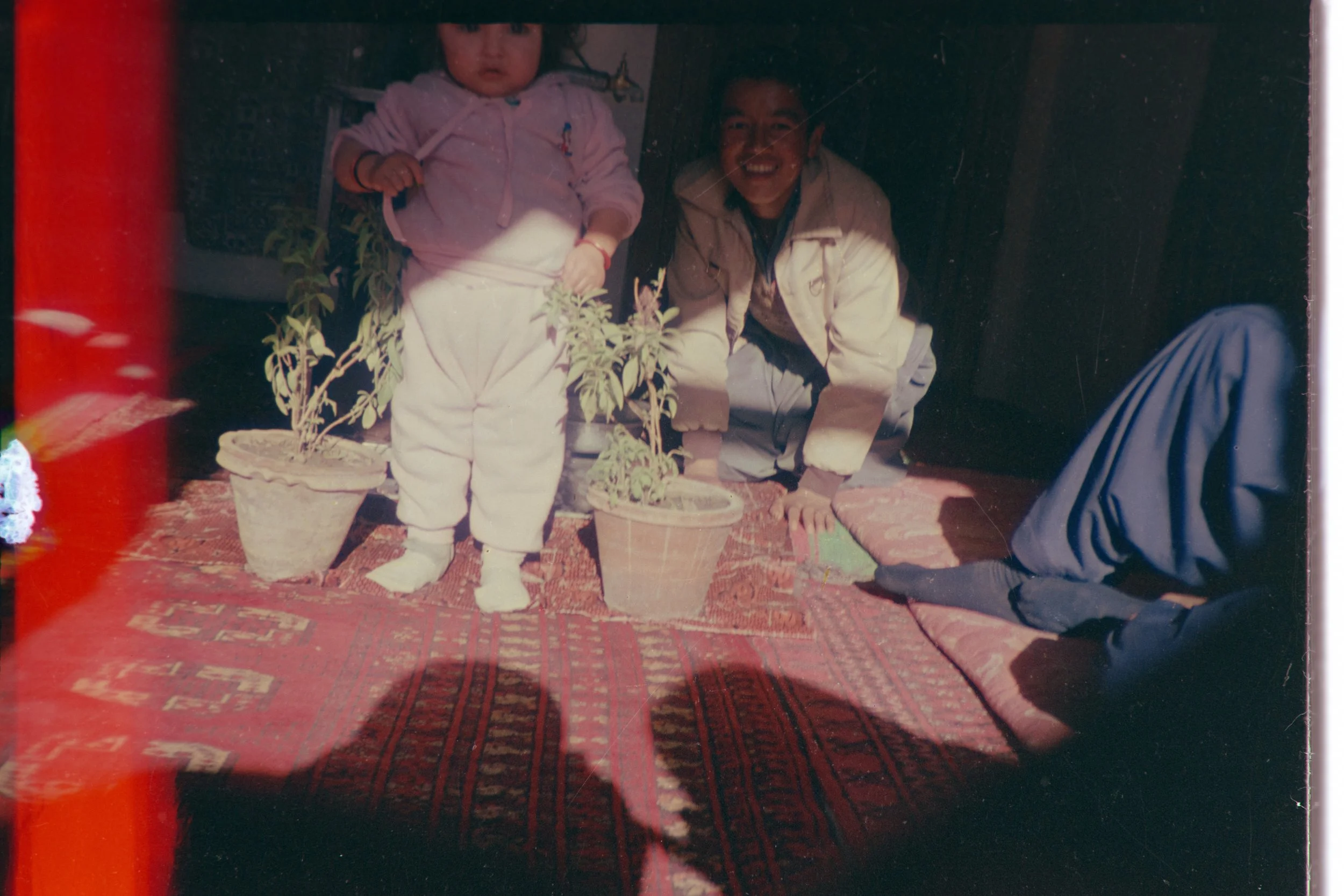
Mursal Mohammadi’s BAQĀ/بقا (The Unforgotten) explores how loss is carried across generations. Through memorabilia, including archival photographs, government documents, embroidery, and song, she traces the afterlife of political violence that led to the disappearance of her uncle in Afghanistan in 1997, a year before her birth. Mohammadi examines the enduring impact of this event on her family, and in doing so, reaches toward a past she did not witness, deepening her understanding of her family while forging a connection with the uncle she never met.
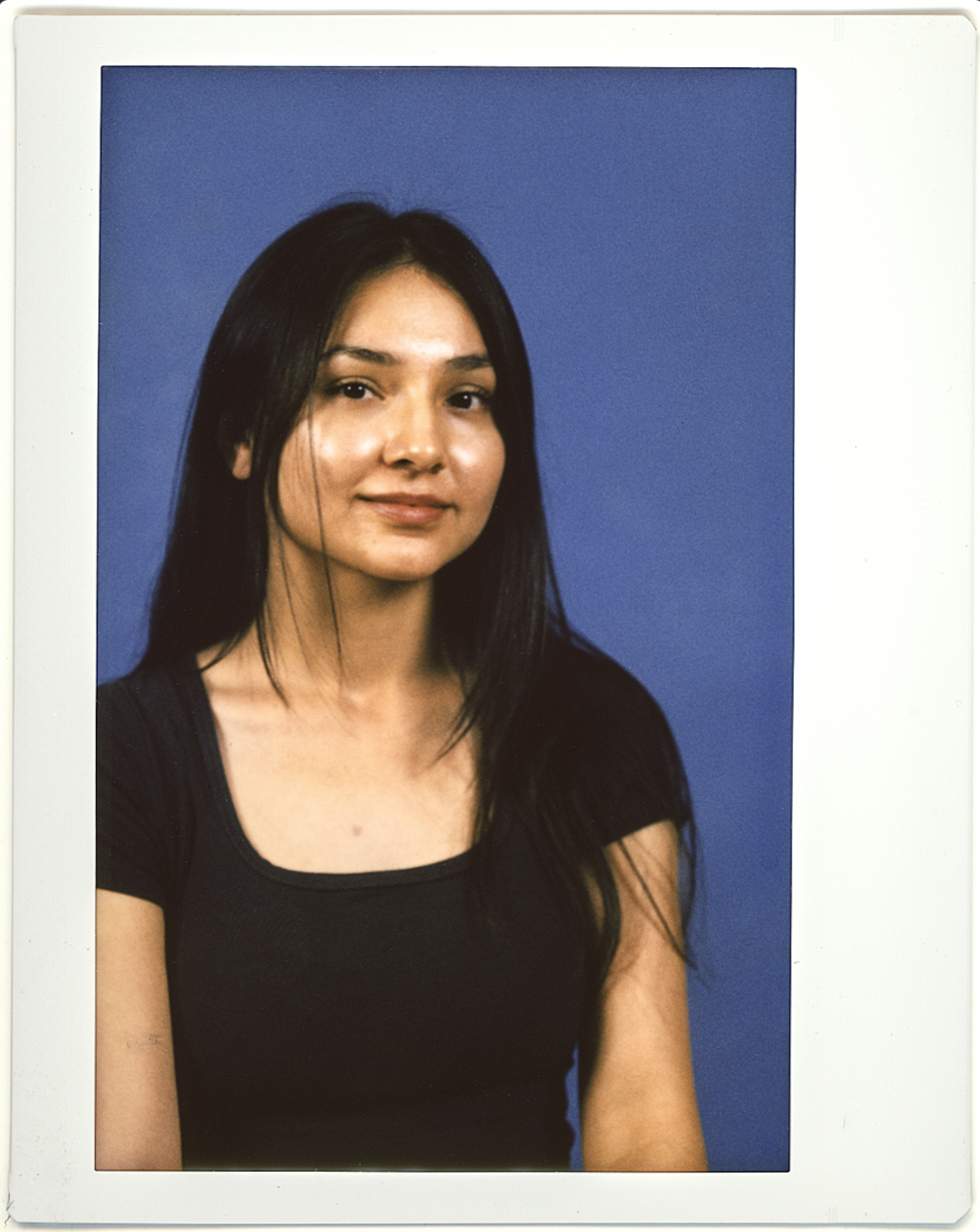
Mursal Mohammadi is an interdisciplinary artist working with film, photography, sound, and textile. Her practice is rooted in documentary and personal narrative approaches, engaging with themes of memory, displacement, and the afterlives of political violence.
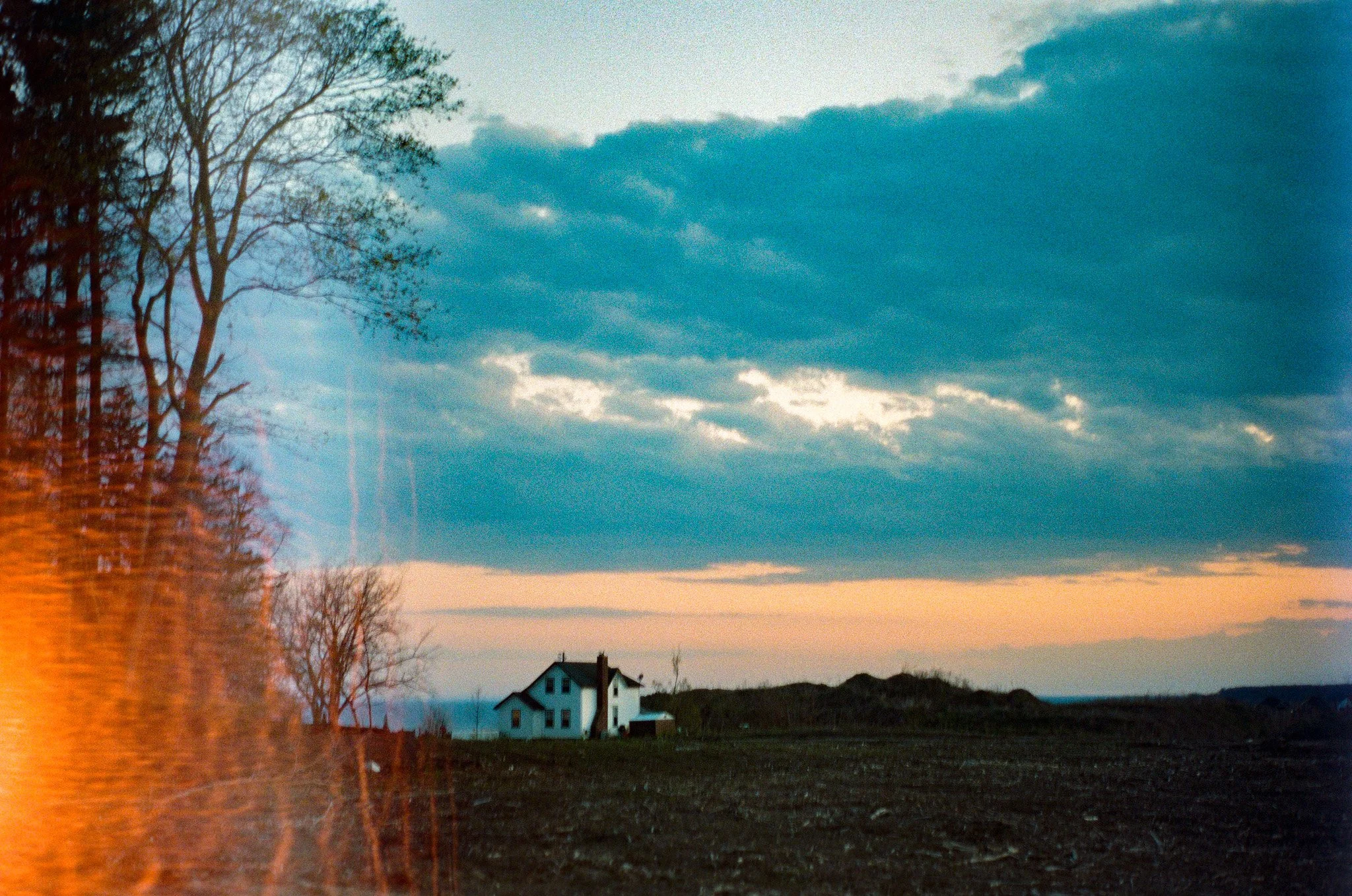
If a Flower Bloomed, Ethan Pogue
Ethan Pogue considers land as a site of memory, trauma and intergenerational history in the experimental documentary If a Flower Bloomed. Documenting the cleanup of radioactive waste in his hometown of Port Hope, Ontario, Pogue examines the toxic power imbalances between his community and Canada’s energy sector. He reflects on his family’s entanglement with the nuclear industry, alongside themes of denial and the slow violence of capitalism. Filmed through the lens of childhood memory, the work makes his care for family and community unmistakably clear.
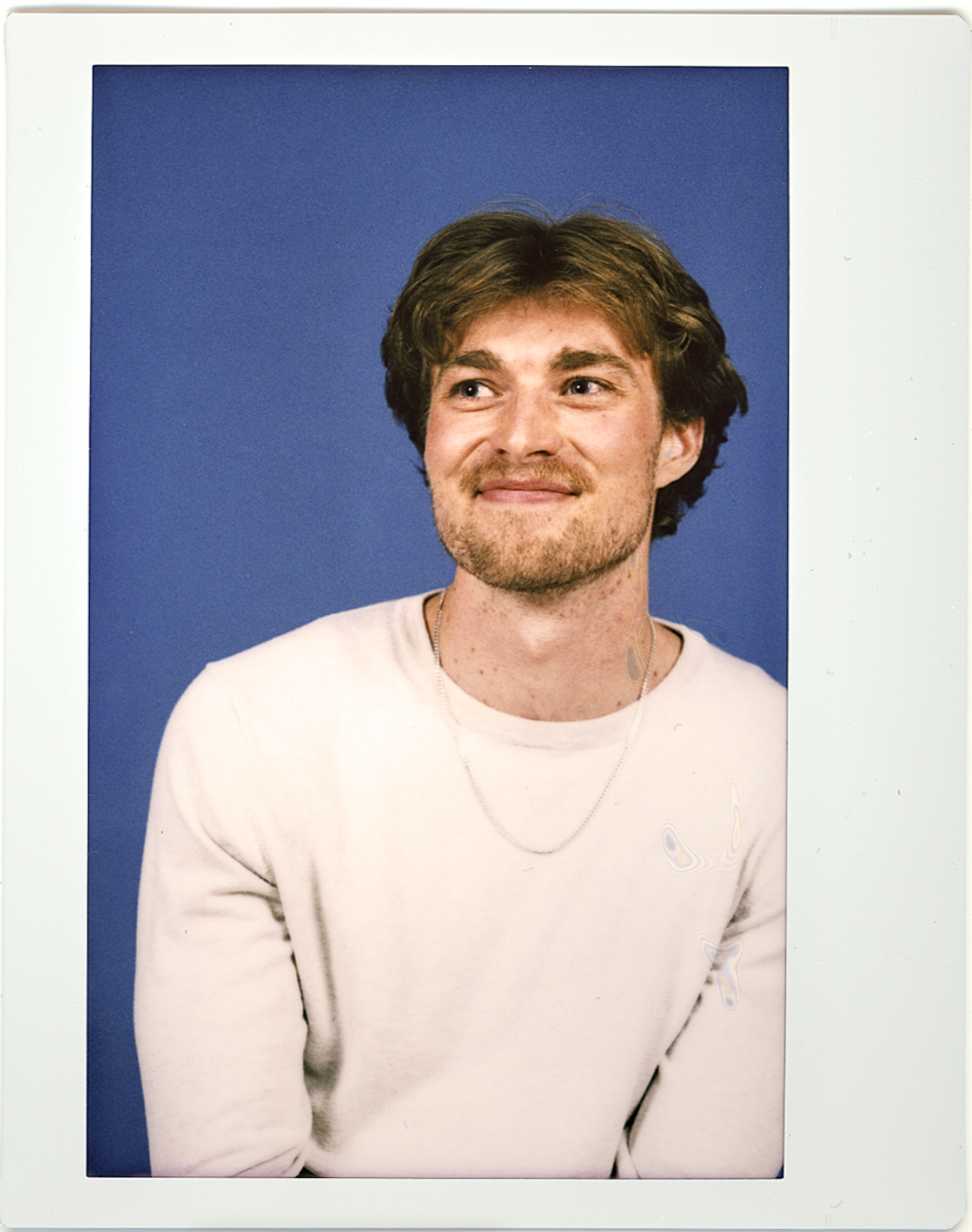
Ethan Pogue is a writer, photographer, and documentary filmmaker from small-town Ontario. His visual storytelling uses domestic ethnography to explore themes of identity, family, and home.

DocSam, Mary Margaret Powrie
Mary Margaret Powrie’s film DocSam delves into the vast media archive of her father, Dr. Semeon B. Hrushovetz, a Winnipeg physician, researcher and educator. Weaving together footage from his 1990s television program Health and Longevity, with family visuals and reflections, she constructs a portrait of him as both a respected medical figure and a role model for longevity and pursuing one’s passions. In seeking to honour his legacy, Powrie creates an enduring memory of her father and his lasting impact.
Mary Margaret Powrie is a filmmaker, writer and festival programmer whose practice is rooted in archive and memory, and whose work reflects themes of family, resilience and legacy.
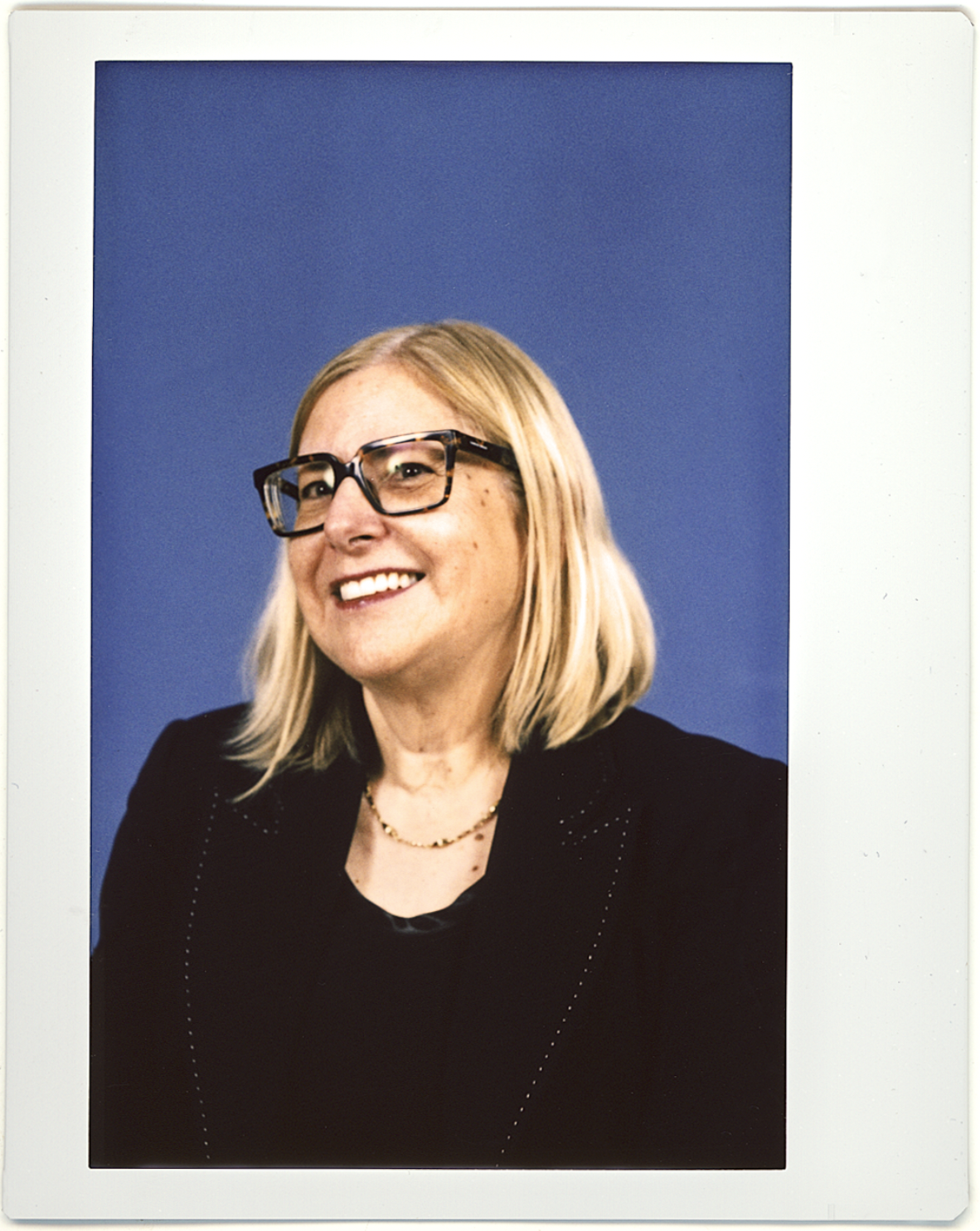
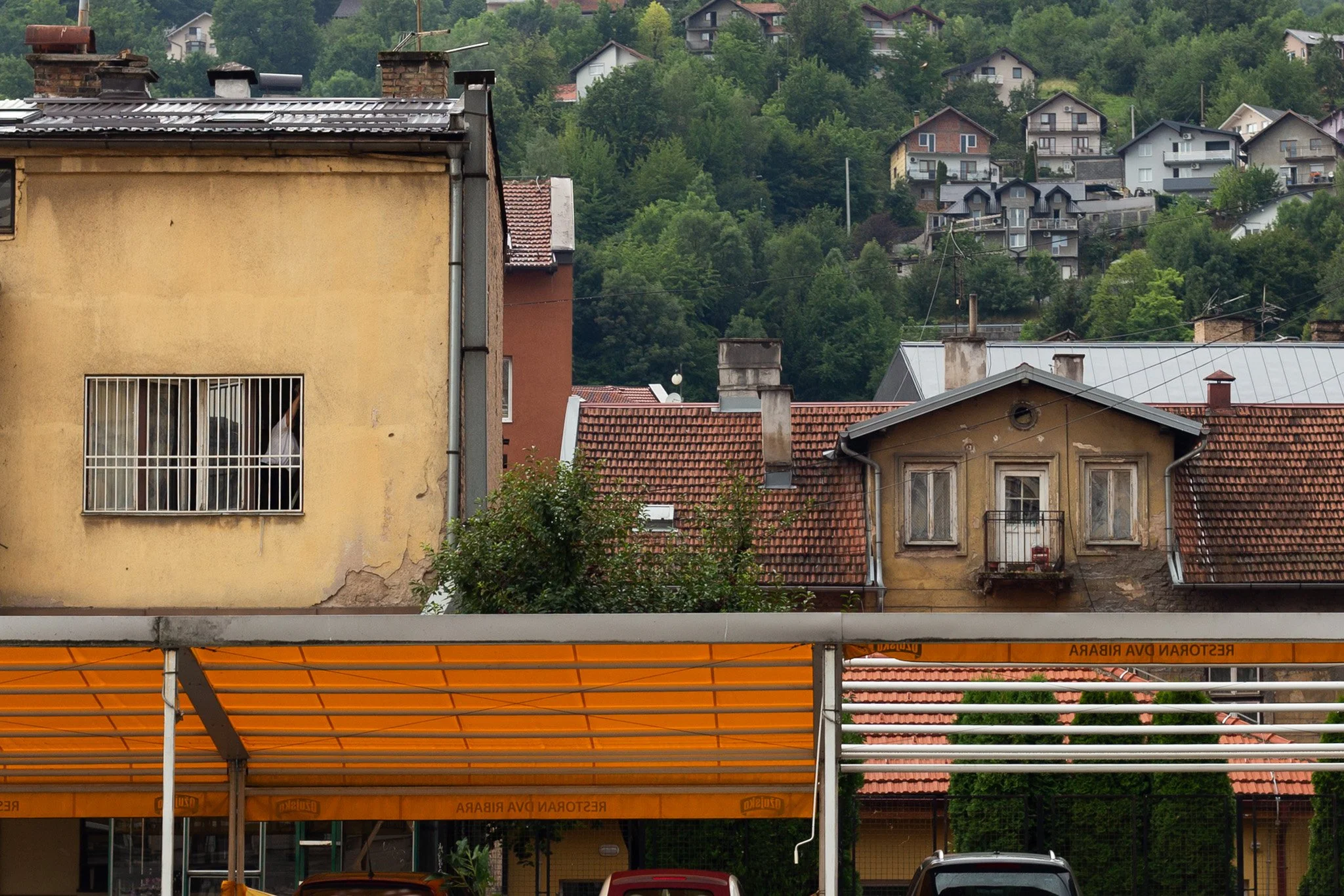
Meet in the Middle (Sresti u Sredini), Amelia Sopta
Engaging themes of fragmentation and the negotiation of identity within the diasporic experience, Amelia Sopta’s Meet in the Middle (Sresti u Sredini) illuminates the human dimensions of war’s aftermath, examining the lingering ethnic tensions in Bosnia and Herzegovina. Through its still, contemplative scenes, the work reveals how life continues to move forward, even amid the remaining traces of instability. Created more than thirty years after the end of the Yugoslav wars, the series reflects Sopta’s own negotiation of identity as a second-generation Canadian-Croatian, in relation to a fractured homeland.
Amelia Sopta is a Canadian-Croatian artist whose work explores themes of cultural identity, familial bonds, and the human condition. She is passionate about visual storytelling and the unique ability of photography to spark connection.
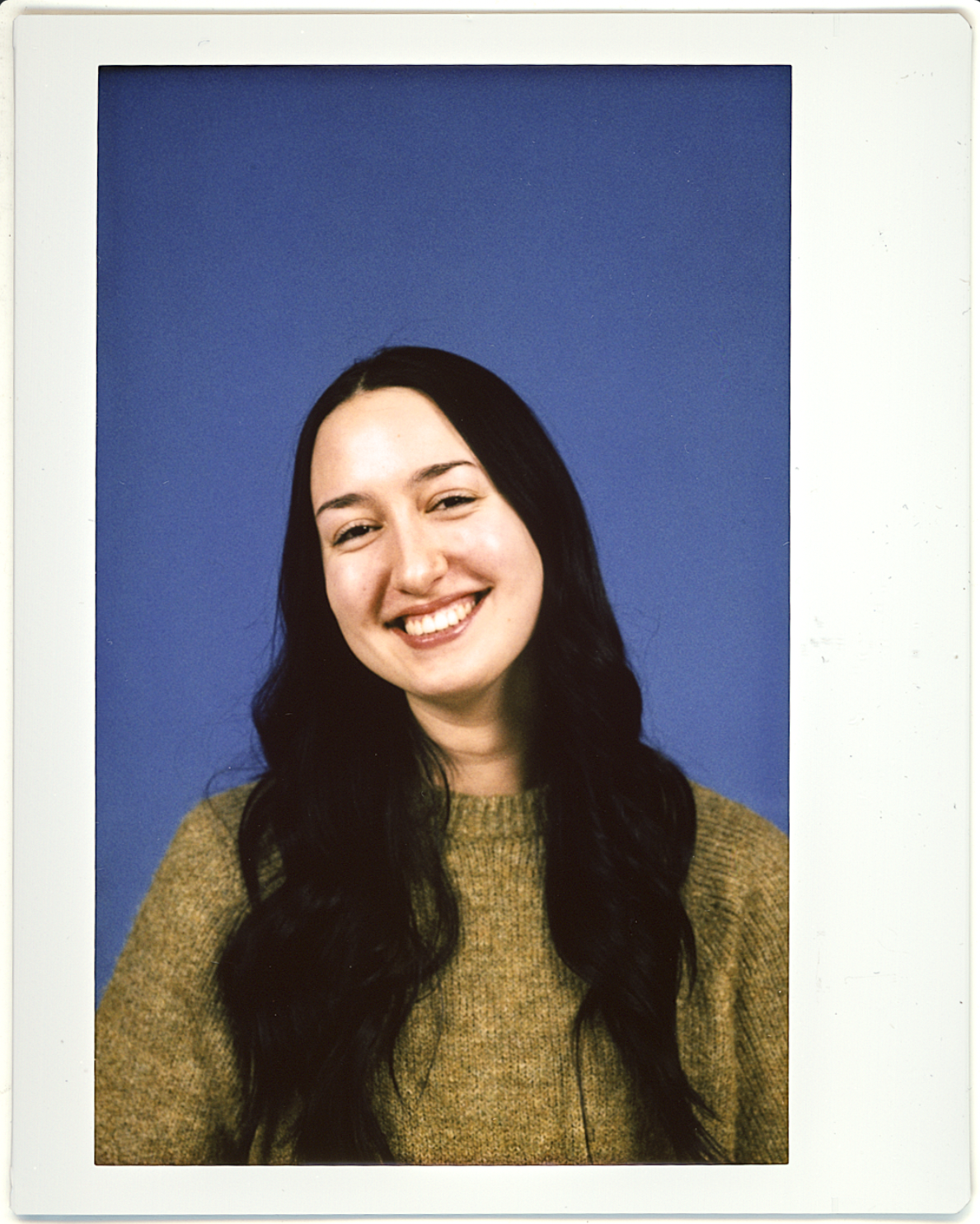
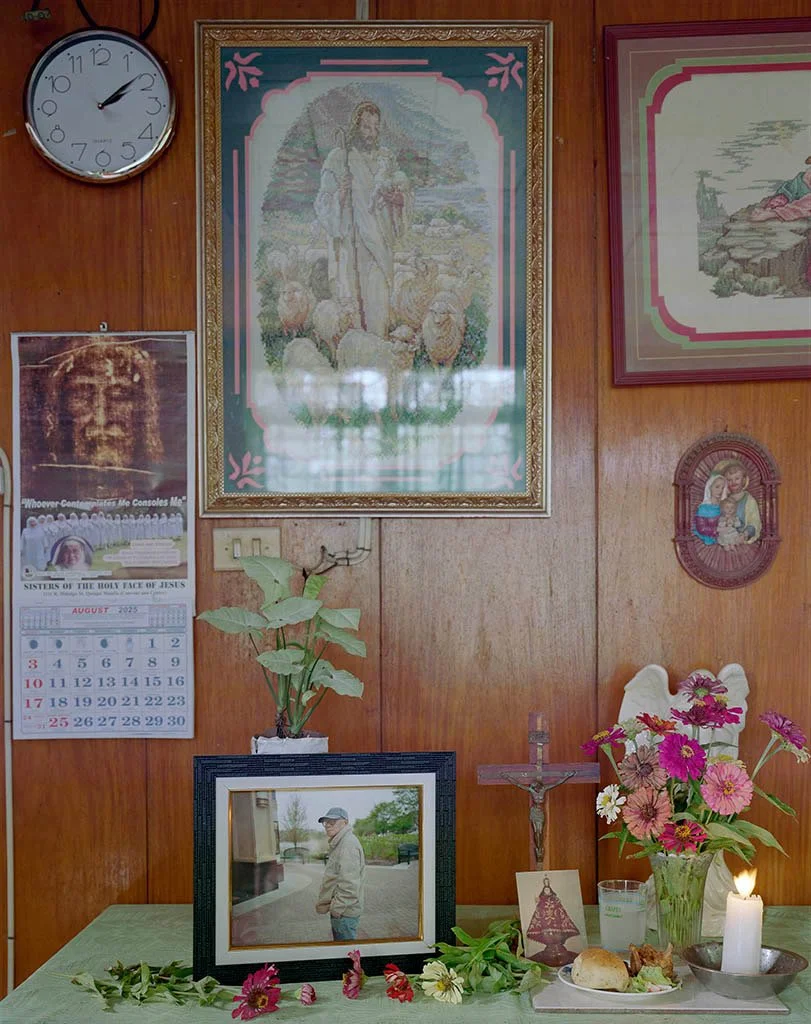
Pananglagip, Jonathan Andrew B. Taala
Sifting through photographs, ephemera, and inherited oral histories, Jonathan Andrew B. Taala’s Pananglagip asks how we come to know our parents. Using labour-intensive colour carbon printing, Taala creates a material connection to pananglagip, an Ilocano term for a ritualized practice of remembering. The work seeks to preserve their father’s memory, creating images intended to endure without fading. Approaching their father’s life and sacrifices as a Filipino immigrant from a different vantage point, Taala considers how his aspirations and experiences have shaped their own identity as a second-generation Filipino American.
Jonathan Andrew B. Taala is a Filipino American artist and educator interested in exploring how stories emerge and persist through material culture. Their practice navigates how familial memory and migration shape one’s identity within diaspora.
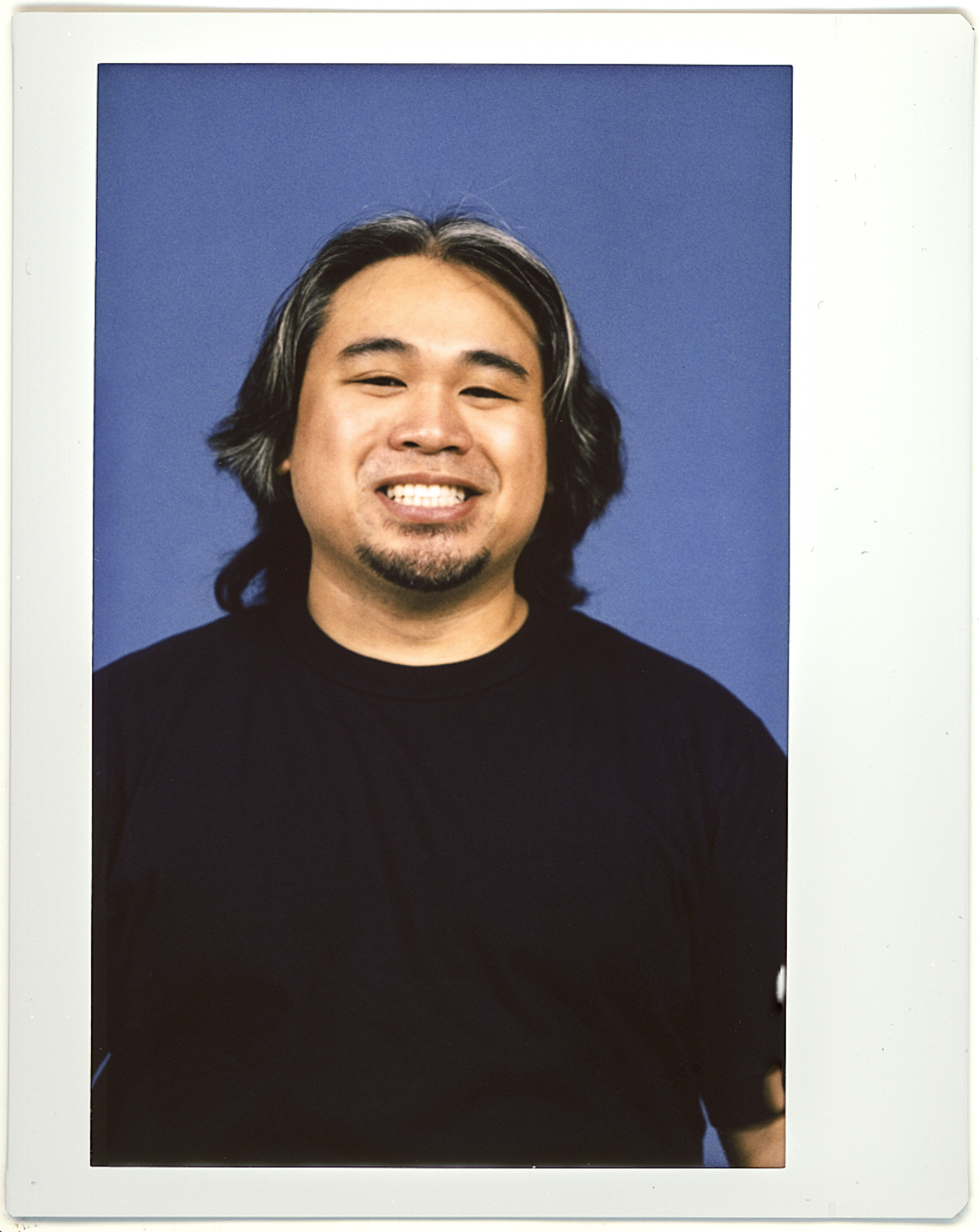

Beyond the Frame, Toni Thomson
In her film Beyond the Frame, Toni Thomson captures the heart of a Canadian wildlife conservation photographer’s journey to advocate for peaceful coexistence with the elusive cougar. Through intimate and reflective storytelling, the film explores the connection that forms between a photographer and wild animals in their natural world. Using photography as a means to expose trophy hunting and its hidden consequences, the film reveals the power of imagery to illuminate our fragile relationship with the wild while questioning the ethics of wildlife management.
Toni Thomson is a documentary filmmaker and impact producer whose work explores social justice and environmental issues. Her practice blends intimate and character-driven storytelling with reflections on equity, community, and a shared responsibility towards the natural world.
Sparrows 麻雀, Jessica Wu
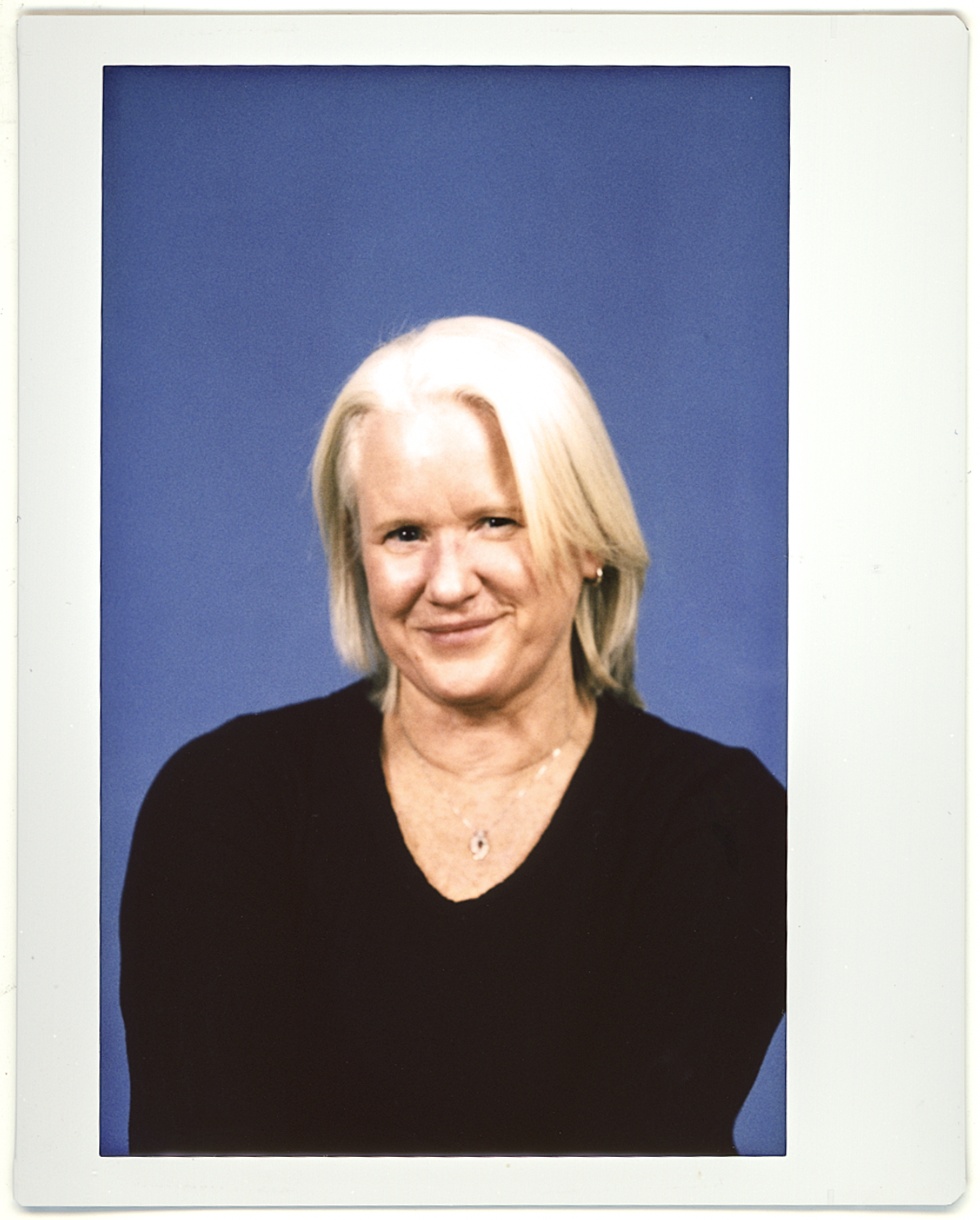
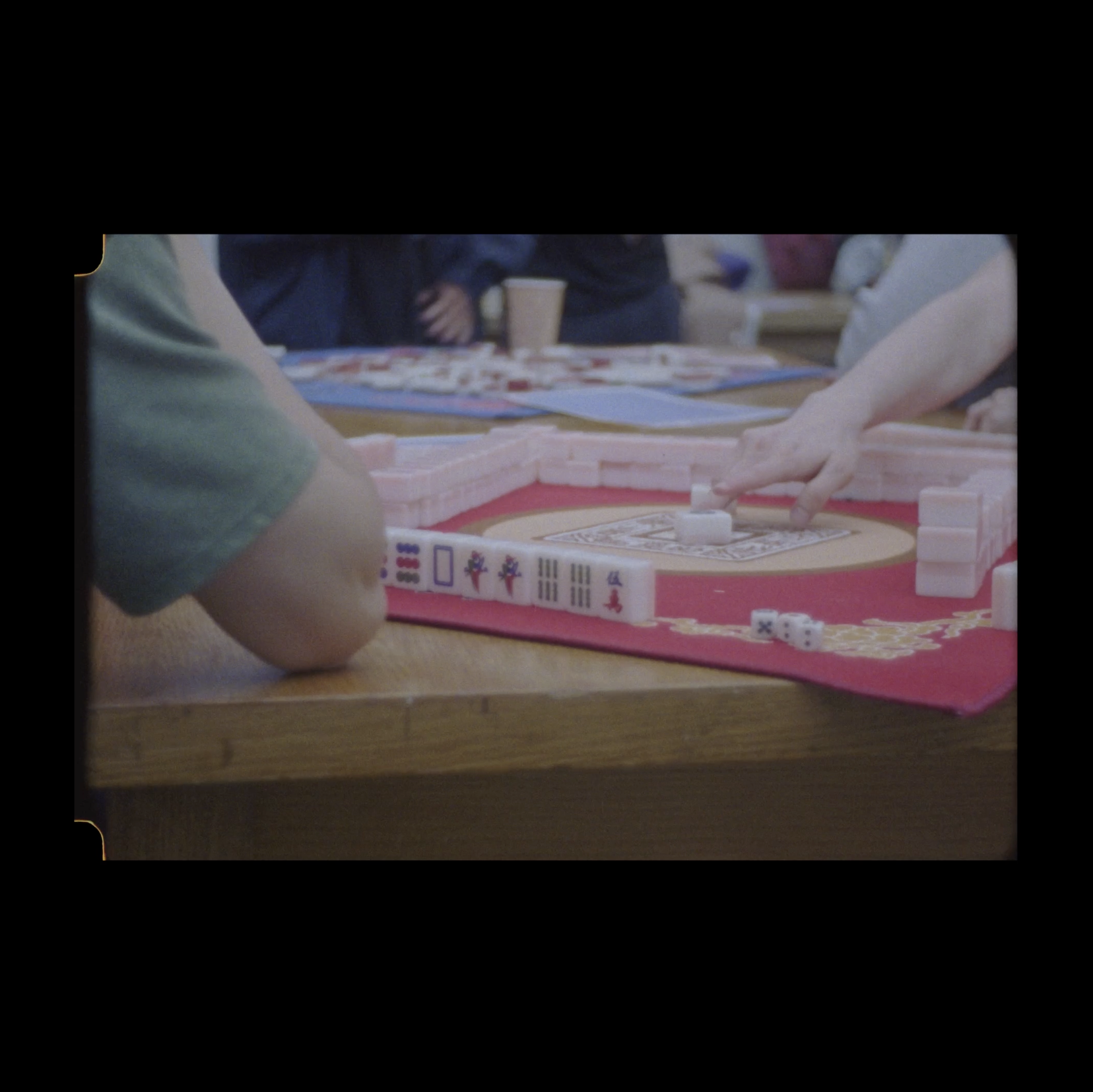
Within the diaspora, the navigation of identity can become a foundation of community. Jessica Wu’s multi-media work Sparrows 麻雀 uses mahjong as an entry point to reflect on the diasporic experience, where identity is continually shaped by shared practices and histories. While mahjong gained popularity in Western culture, Chinese exclusionary policies remained firmly in place. Wu draws out the complexities of early Chinese immigration while creating a space that offers connection and relation among those gathered around a mahjong table.
Jessica Wu is a visual artist with a background in journalism and documentary studies. She is interested in retracing stories of immigration through cultural, political and historical lenses to address ever-entangled questions of identity and diaspora.